The content provided on this blog is intended for informational and educational purposes only. It is not a substitute for professional medical advice, diagnosis, or treatment. Always seek the advice of a qualified healthcare provider with any questions you may have and to learn more about your child's specific needs.
Sudden Infant Death Syndrome (SIDS) and Sudden Unexpected Death in Infancy (SUDI) are both scary terms for parents. Both conditions are the leading causes of death in infants aged one month to one year. Luckily, there are a number of ways you can reduce the risk of injury or death. Keep reading to learn some simple steps you can take to keep your infant safe.
What is SIDS?
SIDS is defined as the sudden, unexplained death of an infant less than one year old. SIDS is sometimes known as crib death because it often occurs when an infant is sleeping in a crib. While the exact cause of SIDS is unknown, there are a number of factors that may contribute to the risk of SIDS, including:
- Babies who are born at a low weight or who are born prematurely
- Exposure to cigarette smoke
- Sleeping on their stomach or side
- Use of soft bedding, such as blankets and pillows, in a baby's sleep area
What is SUDI?
SUDI is defined as the sudden and unexpected death of any infant or child less than one year of age. SUDI includes deaths from SIDS, as well as other causes, such as suffocation, entrapment, and infection.
How common is SIDS?
According to the Lullaby Trust, approximately 10 babies die suddenly and unexpectedly in England and Wales per week. 87% of SIDS cases happen in the first six months of life. Unfortunately, there are no warning signs for SIDS or SUDI. These conditions can happen to any infant, regardless of race, ethnicity, or socioeconomic status.
How can I reduce the risk of SIDS and SUDI?
There are a number of ways you can reduce the risk of SIDS and SUDI. The best measure of preventative care is to create a safe sleep environment for your infant. To ensure your baby's sleep environment is safe:
- Make sure your baby always sleeps on his or her back. This is the safest position for sleeping, as it decreases the risk of SIDS.
- Choose a firm and flat sleep surface for your child when they sleep. This could be a crib, bassinet, or portable crib that meets current safety standards. Don't use a car seat, stroller, swing, baby carrier, or similar items as your child's regular sleeping space.
- Don't use soft bedding—such as blankets and pillows—in your baby's sleep area.
- Keep your baby's crib free of toys and other items that could pose a choking or suffocation hazard.
- Make sure your baby's room is dark and cool. Overheating can increase the risk of SIDS.
- Consider using a fan in your baby's room to keep the air circulating.
- Don't smoke around your baby. Secondhand smoke increases the risk of SIDS.
Other Tips for Reducing SIDS and SUDI
In addition to creating a safe sleep environment, here are a few other tips to consider:
Breastfeed your baby.
Breastfeeding has been shown to reduce the risk of SIDS. Studies have shown that for a number of SIDS deaths, the baby has actually also had a "minor illness" in the days preceding death. Infants' immune systems are still developing, and breast milk aids in the production of immunoglobulins to fight infections including RSV, which can promote inflammation and cause SIDS.
Avoid letting your baby get too hot.
Keeping your baby at a comfortable temperature during sleep is an important part of reducing the risk of SIDS. Babies can overheat more easily than adults, and overheating has been linked to an increased risk during sleep.
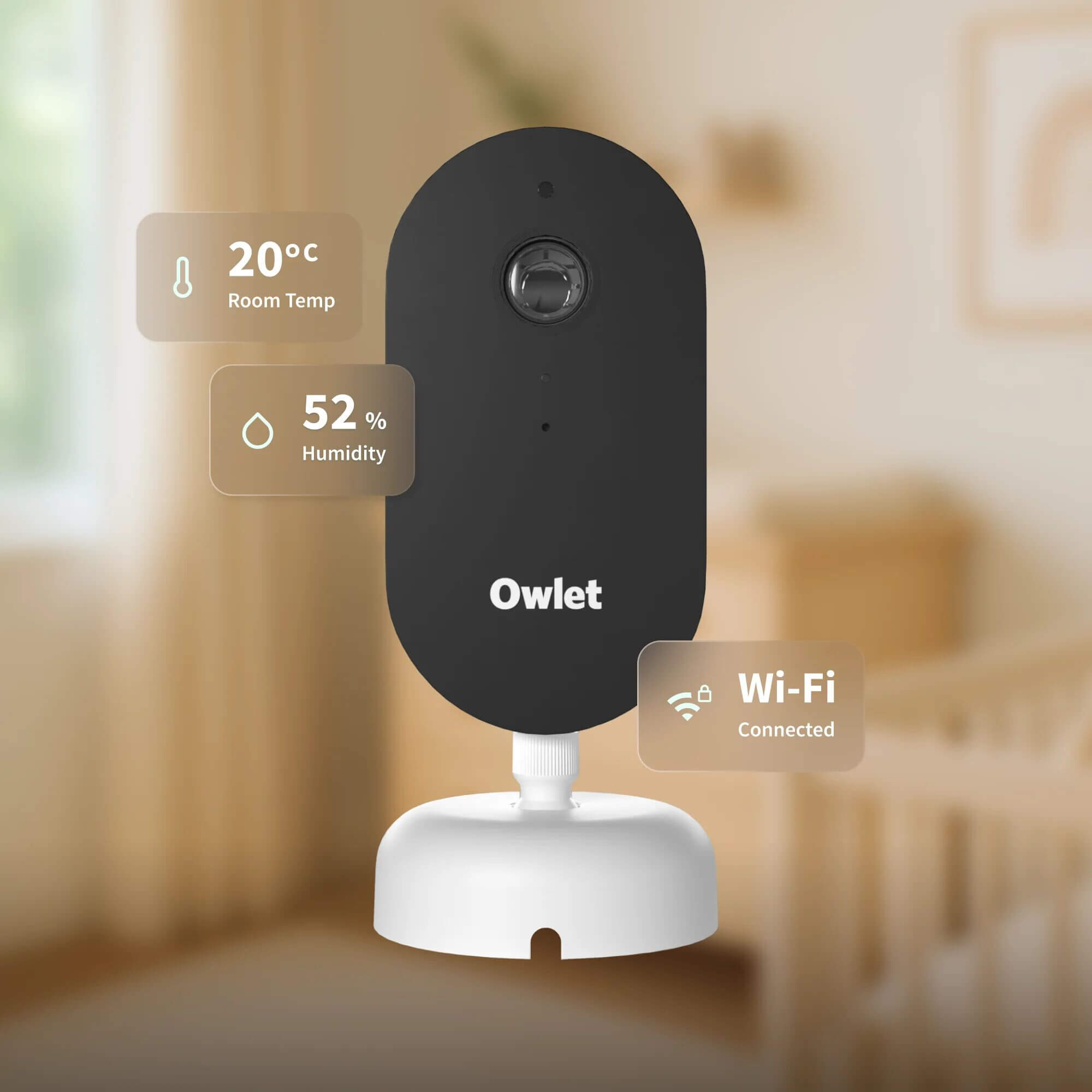
The NHS and The Lullaby Trust recommend keeping the room where your baby sleeps at a comfortable temperature, ideally between 16 and 20°C. If the room feels comfortable for you in light clothing, it is likely to be comfortable for your baby too.
Dress your baby appropriately for the room temperature and avoid over layering. As a general guide, your baby should wear no more than one extra layer than an adult would wear in the same environment. If you are using a sleep sack, choose the correct tog rating for the season and room temperature, and avoid adding extra blankets or bedding.
It is also important to regularly check your baby’s temperature. A good way to do this is by feeling the back of their neck or their chest. If their skin feels hot, sweaty, or clammy, they may be too warm. In this case, remove a layer of clothing or adjust their sleepwear.
Signs that your baby may be overheating include flushed skin, rapid breathing, damp hair, or restlessness. If this happens, cool the room slightly or reduce their clothing. Babies should never sleep with hats, hoods, or head coverings, as heat is lost through the head and covering it can increase the risk of overheating.
Use a Dummy
Some research suggests that offering a dummy at sleep time can help reduce the risk of Sudden Infant Death Syndrome. The Lullaby Trust advises that using a dummy during naps and at bedtime may have a protective effect when used correctly and consistently.
If you choose to use a dummy, the Lullaby Trust recommends waiting until breastfeeding is well established, which is usually when your baby is around four weeks old. This helps avoid potential interference with feeding in the early days. An orthodontic dummy is advised, as it is designed to adapt to your baby’s mouth shape.
To support safer sleep, the dummy should be offered as part of your baby’s regular sleep routine for every sleep, rather than only occasionally. If your baby spits the dummy out during sleep, you do not need to put it back in.
The Lullaby Trust also advises gently stopping dummy use between six and 12 months. This can help reduce the risk of issues linked to longer term use, such as ear infections or dental problems.
There are also a few important safety points to keep in mind. Never force your baby to take a dummy, and never use a neck cord or dummy attachment, as these can pose a serious risk. Do not put anything sweet on the dummy, including honey, and avoid offering a dummy during awake time.
When used in line with safer sleep guidance, a dummy can be one of several simple steps parents may choose to help reduce the risk of SIDS.
Don't use alcohol or drugs during pregnancy.
This can increase the risk of SIDS. SIDS and SUDI are both scary conditions for parents. Luckily, there are a number of steps you can take to reduce the risks associated with SIDS and SUDI. By following the simple steps provided in this post, you can help keep your child safe while they sleep.
For more information on how to reduce the risk of SIDS, visit The Lullaby Trust.